
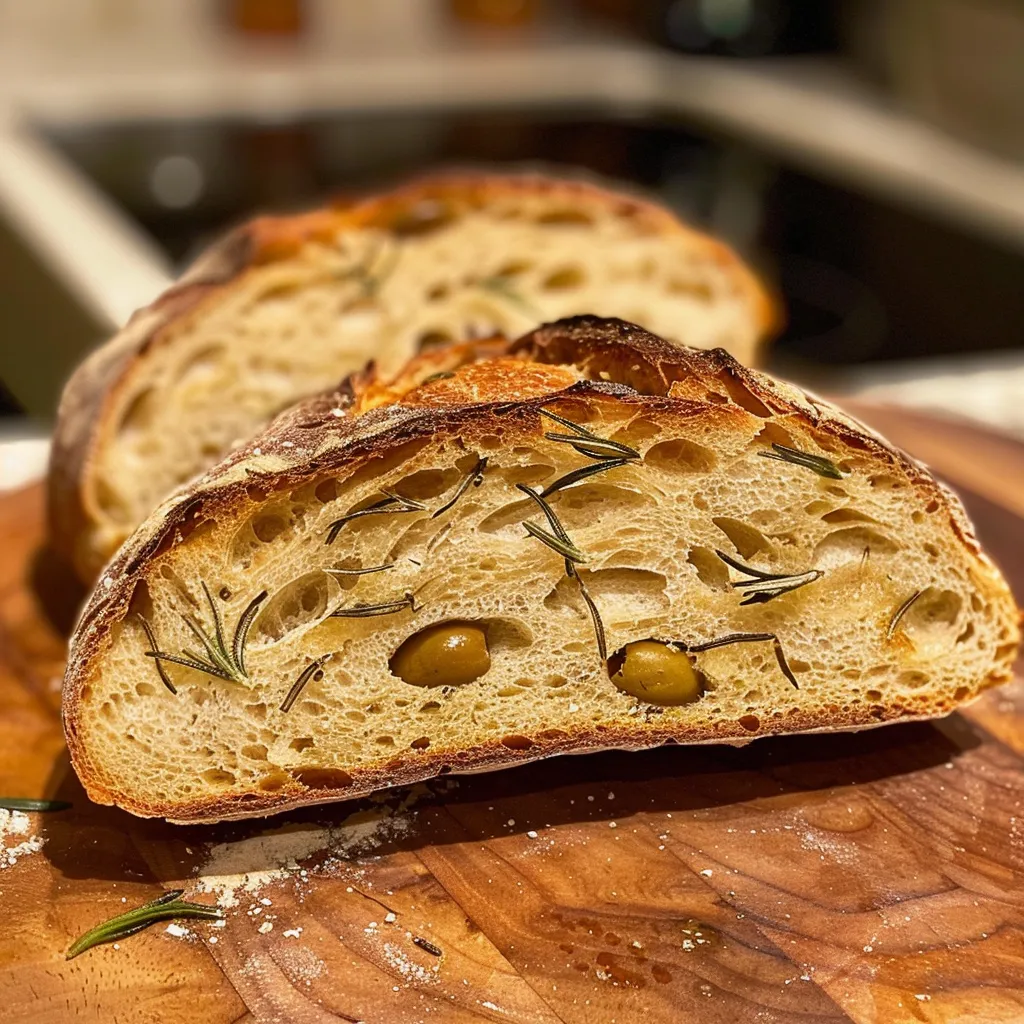
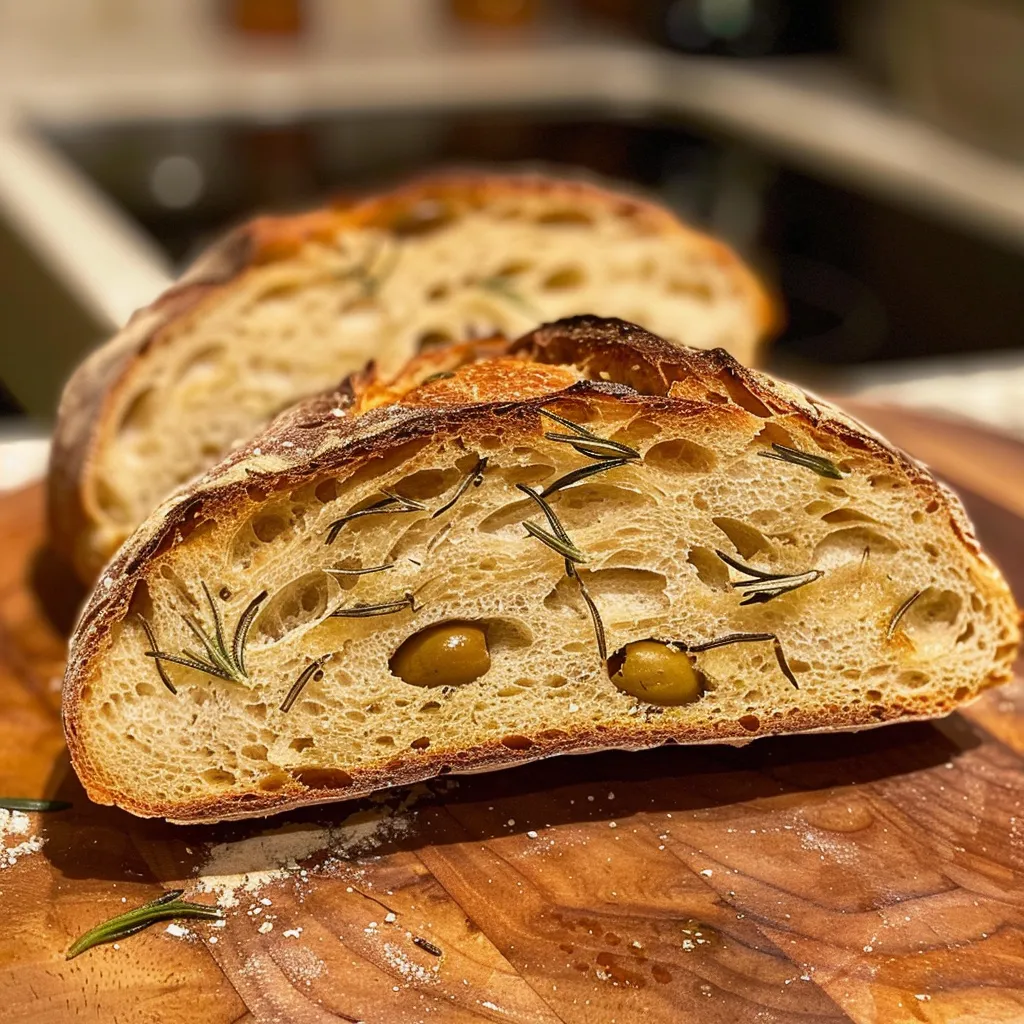
![['Close-up of a crusty Rosemary Olive Sourdough Bread with visible herbs and olives.', 'Side view of freshly baked Rosemary Olive Sourdough Bread showcasing its golden crust.', 'Juicy Rosemary Olive Sourdough Bread highlighting sliced olives and rosemary sprigs.', 'Detailed view of artisan Rosemary Olive Sourdough Bread emphasizing its texture and ingredients.']](https://snacknova.com/wp-content/uploads/2026/06/u6426281249_close_up_photo_side_view_from_reddit._taken_with__fe5c2e55-cc72-407c-8d01-609c4d20729b_0-1.webp "Baking Bliss: Unleashing the Flavor of Rosemary-Olive Sourdough Bread")
Welcome to the Art of Baking Rosemary-Olive Sourdough Bread
If you’re ready to elevate your baking game, you’re in the right spot! This delightful Rosemary-Olive Sourdough Bread is not just a recipe; it’s a journey into the world of flavor and texture. Imagine pulling a warm loaf from the oven, the aroma of rosemary and olives wafting through your kitchen. Whether you’re a seasoned baker or just starting out, this guide will empower you to create a loaf that’s not only delicious but also a joy to make. Let’s dive in!
Why You’ll Love This Recipe
- Flavor Explosion: The combination of fresh rosemary and olives infuses the bread with a savory depth that complements any meal.
- Simple Ingredients: You likely have most of the ingredients in your pantry, making this a go-to recipe for any occasion.
- Artisan Quality: With its crusty exterior and soft, airy interior, this bread rivals what you’d find at a local bakery.
- Versatile Uses: This sourdough bread is perfect for sandwiches, toasts, or simply enjoyed with olive oil and balsamic vinegar.
- Therapeutic Process: Kneading and shaping the dough can be incredibly satisfying, offering a break from the hustle and bustle of daily life.
Ingredients You’ll Need
Let’s gather our ingredients before we start baking. Here’s what you’ll need:
- 375 g (about 1 1/2 cups) room temperature water: Ensures even hydration of the dough.
- 12 g (2.5 teaspoons) salt: Essential for flavor and dough structure.
- 100 g (1/2 cup) bubbly, active sourdough starter: The heart of our bread, providing natural leavening and flavor.
- 500 g (4 cups plus 2 tbsp) bread flour: High protein content gives the bread its structure.
- Extra-virgin olive oil: For drizzling and enhancing flavor.
- 5 ounces pitted olives: A mix of Castelvetrano and Kalamata adds complexity.
- 2 tablespoons fresh rosemary: Fresh herbs elevate the taste and aroma.
Pro Tips for Success
- Active Starter: Ensure your sourdough starter is bubbly and at peak rise for optimal fermentation.
- Rest Periods: Allow the dough to rest adequately during the folding process to develop gluten strands.
- Measure Accurately: Using a kitchen scale for precise measurements yields the best results.
- Temperature Matters: Room temperature affects the rise; adjust your rising times based on your kitchen environment.
- Don’t Rush: Enjoy the process; great bread takes time and patience!
- Experiment with Flavors: Feel free to add different herbs or cheeses to tailor the flavor to your liking.
- Scoring the Loaf: Use a sharp blade to score the dough; this helps control the rise and creates beautiful patterns.
- Cool Before Slicing: Let the loaf cool completely on a rack to set the crumb before slicing.
Common Mistakes and Troubleshooting
Even the best bakers encounter hiccups! Here are some common issues and how to fix them:

★ Recommended Kitchen Tool
Professional Chef Knife Set
Make this recipe even easier with a quality Professional Chef Knife Set — a must-have kitchen staple!
- Dough Too Sticky: If the dough is too sticky, you might need to add a bit more flour during the mixing process.
- Dense Bread: A dense loaf often results from insufficient fermentation; ensure your starter is active and allow for proper rising times.
- Flavorless Bread: If your bread lacks flavor, try using a longer fermentation time or adding more salt.
- Uneven Crust: Baking at the wrong temperature may lead to uneven crust; ensure your oven is properly preheated.
Variations to Try
Once you’ve mastered the basic recipe, consider these tasty variations:
- Garlic-Infused: Add minced garlic to the dough for a savory twist.
- Cheese Lover’s Dream: Incorporate chunks of feta cheese along with olives for a rich flavor.
- Herbed Delight: Mix in other herbs such as thyme or oregano for a fragrant bread.
- Sundried Tomato & Basil: Swap olives for sundried tomatoes and add fresh basil for an Italian flair.
Storage and Make-Ahead Instructions
Now that you’ve baked your bread, let’s talk about how to store it:
- Room Temperature: Store the bread in an airtight container for up to 3 days.
- Freezing: Wrap the loaf tightly in plastic wrap and foil to freeze for up to 3 months. Thaw at room temperature when ready to enjoy.
- Make-Ahead Dough: You can prepare the dough and refrigerate it for longer fermentation, enhancing the flavor.
Frequently Asked Questions
Got questions? You’re not alone! Here are some FAQs:
- Can I use all-purpose flour instead of bread flour? Yes, but the texture may vary slightly; bread flour provides a better structure.
- How can I tell if my sourdough starter is active? It should be bubbly and double in size within 4-6 hours after feeding.
- What can I serve with rosemary-olive sourdough? Pair this bread with a variety of dips, cheeses, or charcuterie for a perfect appetizer.
- Can I add nuts to the dough? Absolutely! Nuts like walnuts or pecans add great texture and flavor.
- How do I know when my bread is done baking? The loaf should be golden brown and sound hollow when tapped on the bottom.
- What’s the best way to slice sourdough? Use a serrated knife to slice the bread without squishing it.
- Can I make this recipe gluten-free? Yes, use a gluten-free bread flour blend, but results may vary.
- Why is my sourdough bread flat? This can be due to under-proofing or a weak starter; ensure proper fermentation.
Nutritional Tips and Dietary Adaptations
This Rosemary-Olive Sourdough Bread can be a nutritious addition to your diet:
- Whole Grain Option: Substitute part of the bread flour with whole wheat flour for added fiber.
- Low Sodium: Reduce the amount of salt if you’re watching your sodium intake; just keep in mind that it might affect flavor.
- Vegan-Friendly: This recipe is naturally vegan; no animal products are used!
Equipment Recommendations
Having the right tools can make a world of difference in your baking experience:
- Bench Scraper: Great for handling and shaping dough.
- Banneton: Helps maintain the shape of your loaf during the final rise.
- Dutch Oven: Ideal for creating the perfect crust by trapping steam during baking.
- Kitchen Scale: Ensures accurate measurements for consistent results.
Serving Suggestions
Once your bread is baked and cooled, it’s time to enjoy! Here are some serving ideas:
- As a Snack: Slice it up and serve with a drizzle of olive oil and balsamic vinegar.
- For Sandwiches: Use it to create gourmet sandwiches with fresh ingredients and spreads.
- With Soup: Serve alongside a hearty soup for a complete meal.
So, there you have it! Your guide to creating a stunning Rosemary-Olive Sourdough Bread that’s bursting with flavor and personality. I hope you find joy and creativity in the process, and remember that every loaf tells a story. Happy baking!
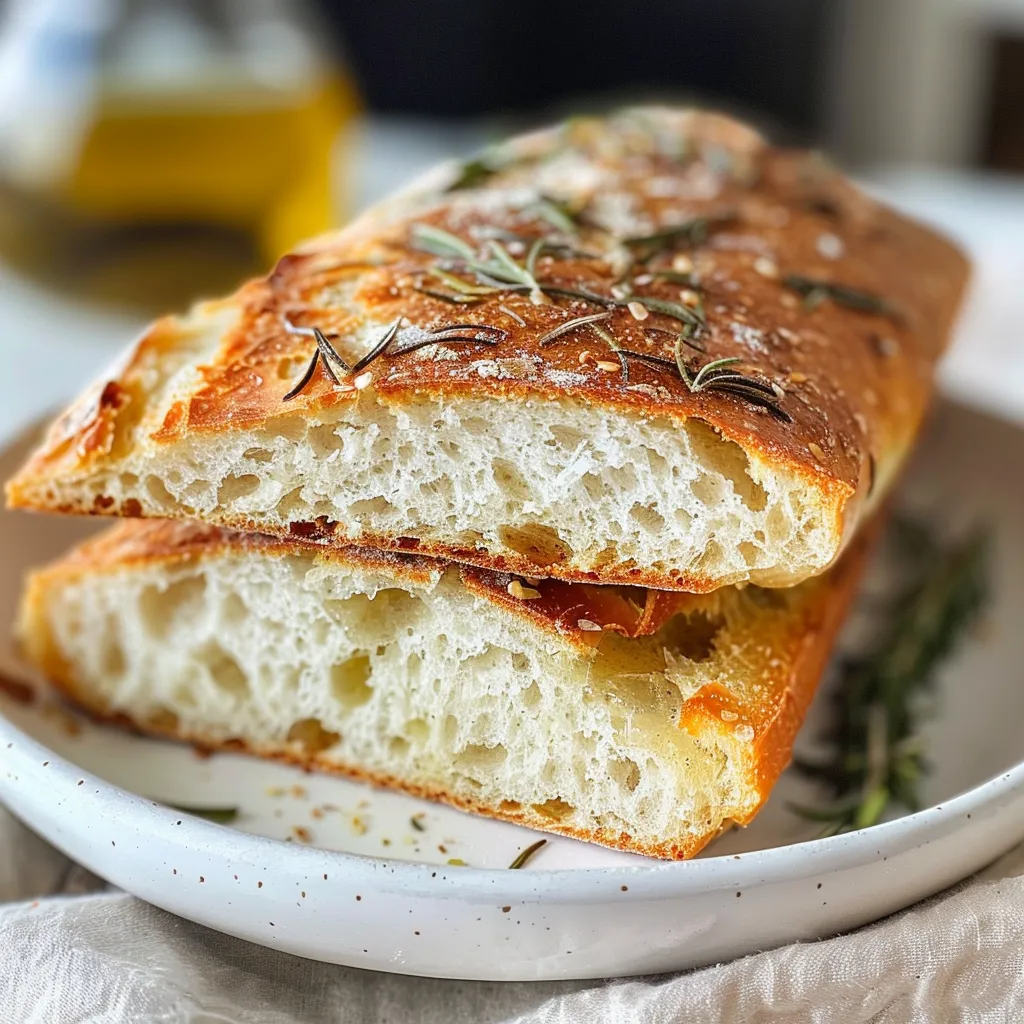
Rosemary-Olive Sourdough Bread
Ingredients
Dough
- 375 g room temperature water
- 12 g salt (see notes above)
- 100 g bubbly, active starter (see notes above)
- 500 g bread flour
- 15 ml extra-virgin olive oil (for drizzling)
- 142 g pitted olives (any variety, sliced)
- 2 tablespoons fresh rosemary
Instructions
-
Mix water, salt, starter, and flour until a sticky dough forms; rest for 30 minutes.
-
Perform 8-10 stretch and fold cycles, then rest for 1 hour.
-
Shape dough, spread olives and rosemary, fold envelope-style, and rest for 1 hour.
-
Gently shape into a ball, proof until volume increases by 50-75%, then rest for 30-60 minutes.
-
Transfer to a floured banneton, refrigerate for 24-48 hours.
-
Preheat oven with Dutch oven to 450°F, score the dough, bake covered for 30 minutes, then uncovered for 10-15 minutes. Cool before slicing.


![['A close-up side view of golden-brown honey whole wheat bread with a soft texture.', 'A slice of honey whole wheat bread on a rustic wooden surface, showcasing its fluffy interior.', 'A detailed shot of freshly baked honey whole wheat bread revealing a moist crumb and crust.', 'A side view of honey whole wheat bread with a shiny crust and honey drizzled on top.']](https://snacknova.com/wp-content/uploads/2026/06/honey-whole-wheat-bread_1_U1-3-150x150.webp)