
The Joy of Baking Your Own White Bread
Welcome, fellow kitchen adventurers! Today, we’re diving into the delightful world of baking homemade white bread. There’s something incredibly satisfying about creating a fresh loaf that fills your home with a warm, comforting aroma. This white bread recipe is not just easy to follow; it’s also a chance for you to explore your culinary creativity and boost your baking confidence. So, grab your apron, and let’s get started!
Why You’ll Love This Recipe
Here are just a few reasons to fall in love with this easy soft white bread recipe:
- Perfect for Any Occasion: Whether you’re making sandwiches, toast, or just enjoying a warm slice with butter, this bread fits the bill!
- Simple Ingredients: You likely have most of these ingredients on hand, making it an accessible recipe to whip up anytime.
- Customizable: Feel free to add herbs, spices, or even cheese to make it your own!
- Budget-Friendly: Making bread at home is not only fun, but it’s also a great way to save money compared to store-bought options.
- Therapeutic Process: Kneading the dough can be a great stress reliever, allowing you to unwind while creating something delicious.
Ingredient Breakdown
Let’s get into the nitty-gritty of what you’ll need for this moist white bread recipe:

★ Recommended Kitchen Tool
Digital Kitchen Scale
Make this recipe even easier with a quality Digital Kitchen Scale — a must-have kitchen staple!
- 1 ⅔ cups lukewarm water: This is essential for activating the yeast. Make sure it’s not too hot—ideally between 100°F and 110°F.
- 2 ¼ teaspoons instant yeast: You can also use active dry yeast, but it requires a longer activation time.
- 1 teaspoon sugar: This helps feed the yeast, giving your bread a lovely rise.
- 1 tablespoon honey: Not only does honey add sweetness, but it also enhances the bread’s moisture.
- 1 teaspoon salt: Essential for flavor, salt also strengthens gluten structure.
- 1 ½ tablespoons unsalted butter: Use it softened to room temperature to blend easily into the dough.
- 4 ½ cups all-purpose flour: This provides the structure of the bread. You can substitute with bread flour for a chewier texture.
- 1 ½ tablespoons melted butter: For brushing on top post-baking, adding a rich flavor and beautiful shine.
Pro Tips for Perfect White Bread
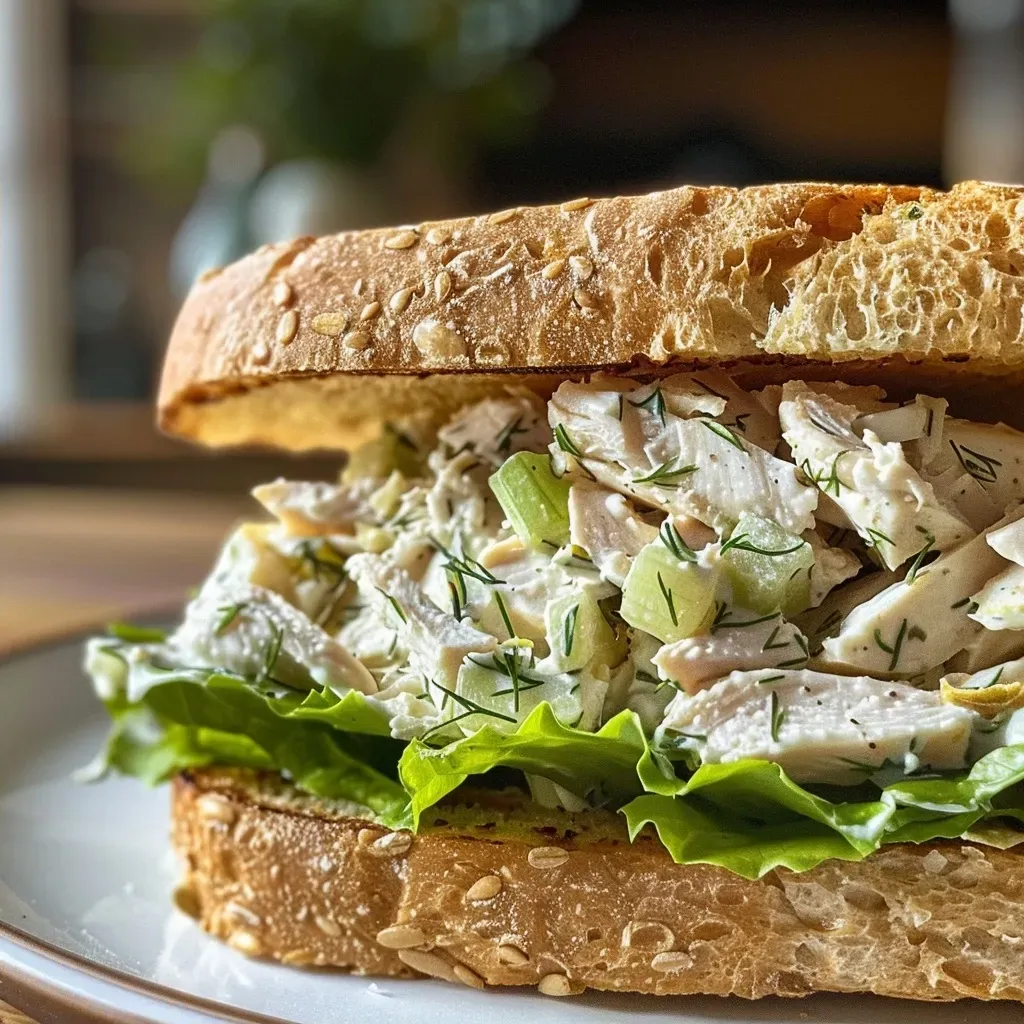
Before we jump into the instructions, here are some expert insights to ensure your bread turns out perfectly:
- Check Your Yeast: Always ensure your yeast is fresh. If it doesn’t foam in the first step, it may be inactive.
- Knead Thoroughly: Kneading develops gluten, which is essential for a good rise. Aim for a smooth, elastic dough.
- Watch the Temperature: The dough rises best in a warm, draft-free area. Consider turning your oven on for a minute and then turning it off to create a cozy environment.
- Don’t Overproof: Keep an eye on your dough during rising. Overproofed dough can collapse in the oven.
- Baking Stone or Steel: If you have one, using a baking stone or steel can help distribute heat evenly, resulting in a better crust.
- Use a Thermometer: For the perfect bake, check the internal temperature. It should read between 208°F to 210°F when done.
- Cooling Time: Allow your bread to cool completely before slicing to maintain its texture.
- Experiment: Once you master this recipe, try adding ingredients like garlic, cheese, or herbs for extra flavor.
Common Mistakes and Troubleshooting
Don’t worry if things don’t go perfectly the first time! Here are some common hiccups and how to fix them:
- My Bread Didn’t Rise: This could be due to expired yeast or too cold of an environment. Ensure your yeast is fresh and find a warm spot for rising.
- Dense Loaf: This often happens if you’ve added too much flour. Measure carefully and remember that the dough should be soft and slightly sticky.
- Crust Too Hard: This can occur if you bake at too high a temperature. Lower the oven temperature slightly for a softer crust.
- Overbaked Bread: Keep an eye on your loaf towards the end of the baking time to avoid overbaking.
Variations to Try
Once you’ve mastered basic white bread, here are some fun variations to keep things exciting:
- Herb-Infused Bread: Add dried herbs like rosemary or thyme to the dough for a fragrant twist.
- Cheesy Bread: Mix in shredded cheese before kneading for a delightful cheesy flavor.
- Whole Wheat Blend: Substitute half of the all-purpose flour with whole wheat flour for a nuttier taste and more fiber.
- Cinnamon Swirl Bread: After rolling out the dough, sprinkle with cinnamon sugar and roll it up for a sweet treat!
Storage and Make-Ahead Instructions
Want to enjoy your bread later? Here’s how to store it:
- Room Temperature: Store in a bread box or wrapped in a clean kitchen towel for up to 3 days.
- Freezing: Wrap the cooled loaf tightly in plastic wrap and then in foil. Freeze for up to 3 months. Thaw at room temperature before slicing.
- Make-Ahead Dough: You can prepare the dough and refrigerate it after the first rise. Let it come to room temperature before shaping.
FAQs: Your Bread Baking Questions Answered
Here are some common questions about baking white bread:
- Can I use bread flour instead of all-purpose flour? Yes! Bread flour will give you a chewier texture, while all-purpose flour results in a softer loaf.
- What’s the difference between instant yeast and active dry yeast? Instant yeast can be mixed directly with dry ingredients, while active dry yeast needs to be dissolved in water first.
- Can I double the recipe? Absolutely! Just ensure you have a large enough mixing bowl and baking area.
- What if I don’t have a stand mixer? You can knead the dough by hand; just make sure to knead for about 10-15 minutes until smooth.
- How can I tell when my bread is done? Tap the bottom of the loaf—if it sounds hollow, it’s likely done!
- Can I add seeds or nuts? Yes! Feel free to mix in sunflower seeds, pumpkin seeds, or chopped nuts for added texture.
- Why did my dough not rise properly? Possible reasons include old yeast, too cold of a rising environment, or not enough sugar.
- How do I make my bread softer? Ensure you’re using enough fat (like butter) and not overbaking your bread.
Nutritional Tips and Dietary Adaptations
Here are some ways to make your bread healthier:
- Whole Grain Options: Substitute some flour with whole grain flour for added fiber.
- Reduced Sugar: You can reduce the sugar in the recipe for a less sweet bread, or substitute with a natural sweetener.
- Dairy-Free Version: Substitute butter with coconut oil or a dairy-free spread.
Essential Equipment for Bread Baking
Having the right tools can make all the difference:
- Stand Mixer: While not essential, it makes kneading easier.
- Bread Pan: A good-quality loaf pan ensures even baking.
- Instant-Read Thermometer: Helps you check the bread’s doneness perfectly.
- Cooling Rack: Essential for cooling your bread without getting soggy.
Serving Suggestions
Once your bread is baked and cooled, here are some delicious ways to enjoy it:
- Classic Toast: Spread with butter and your favorite jam for a delightful breakfast.
- Grilled Cheese: Use it to make a perfect, melty grilled cheese sandwich.
- French Toast: Transform your bread into a delicious brunch dish with eggs and cinnamon.
- Croutons: Cut leftover bread into cubes, toss with olive oil and spices, and bake for homemade croutons!
Conclusion
There you have it, friends! Your guide to crafting the perfect loaf of homemade white bread. Remember, every loaf is a step towards mastering the art of baking. So, don’t be afraid to get your hands doughy, experiment with flavors, and, most importantly, enjoy the process! I can’t wait to hear how your baking adventures go. Happy baking!

White Bread
Ingredients
Dough
- 1 ⅔ cups lukewarm water (divided)
- 2 ¼ teaspoons instant yeast (or active dry yeast)
- 1 teaspoon sugar
- 1 tablespoon honey ((or more sugar))
- 1 teaspoon salt
- 1 ½ tablespoons unsalted butter (cubed at room temperature)
- 4 ½ cups all-purpose flour (divided)
- 1 ½ tablespoons butter (melted for brushing)
Instructions
-
Combine yeast, sugar, and half of the water; let sit until foamy (5-10 min).
-
Add remaining water, honey, salt, butter, and 4 cups flour; knead until soft and smooth (6-9 min).
-
Let dough rise in a greased bowl, covered, until doubled (about 45 min).
-
Divide dough, shape into loaves, place in pans, and let rise until doubled (about 45 min).
-
Preheat oven to 390°F (200°C). Bake loaves for 25-30 min until golden.
-
Invert onto rack, brush with melted butter, cool before slicing.

![['Close-up side view of Blackberry Cheesecake Brownies with a rich, fudgy texture and visible blackberries.', 'Detailed image of Blackberry Cheesecake Brownies showcasing the creamy cheesecake layer and chocolate base.', 'A slice of Blackberry Cheesecake Brownie viewed from the side, highlighting its decadent layers and berry toppings.', 'Side view of moist Blackberry Cheesecake Brownies, featuring a glossy chocolate top and fresh blackberries.']](https://snacknova.com/wp-content/uploads/2026/06/blackberry-cheesecake-brownies_1_U1-1-150x150.webp)
![['Close-up view of a moist cinnamon sugar snack cake with a golden-brown top.', 'Side view of a deliciously baked cinnamon sugar cake featuring a crumbly topping.', 'Detailed image of a cinnamon sugar snack cake showcasing its soft texture and sugar coating.', 'Juicy slice of cinnamon sugar snack cake with a sprinkle of cinnamon and sugar on top.']](https://snacknova.com/wp-content/uploads/2026/07/cinnamon-sugar-snack-cake_1_U1-150x150.webp)