Unlocking the Joy of Gluten-Free Flatbreads
Welcome to the world of gluten-free cooking, where flavor meets creativity! If you’ve ever craved the warm, comforting embrace of freshly made flatbread but thought it was off-limits due to dietary restrictions, think again! This gluten-free flatbread recipe is your ticket to deliciousness, made with simple ingredients that you probably already have in your pantry. Whether you’re making a wrap, dipping it in hummus, or serving it alongside your favorite curry, these flatbreads are versatile and easy to whip up in about 30 minutes. Let’s dive into the delightful journey of crafting your own gluten-free flatbreads!
Why You’ll Love This Recipe
- Quick and Easy: This gluten-free flatbread recipe is quick to prepare, taking only about 30 minutes from start to finish, perfect for busy weeknights or impromptu gatherings.
- Versatile Usage: Enjoy these flatbreads as a base for wraps, an accompaniment to soups, or even as a pizza crust. The possibilities are endless!
- Simple Ingredients: Made with everyday pantry items like gluten-free flour, tapioca starch, and olive oil, you won’t need to hunt for exotic ingredients.
- Customizable: Feel free to add herbs, spices, or even cheese to the dough for unique flavor twists.
- Perfect for Everyone: This recipe is naturally gluten-free, making it suitable for those with dietary restrictions, and can easily be adapted to be vegan!
Ingredients You’ll Need
Gather these simple ingredients to start your gluten-free flatbread adventure:
- 3/4 cup all-purpose gluten-free flour blend: Ensure it’s a blend that includes xanthan gum or add it separately.
- 1/2 teaspoon xanthan gum: This ingredient helps bind the flatbread, giving it the right texture. Omit if your flour blend already contains it.
- 5 tablespoons tapioca starch/flour: This adds a lovely chewiness to the flatbread.
- 3/4 teaspoon kosher salt: Essential for flavor enhancement.
- 1/2 teaspoon baking powder: Helps the flatbread rise slightly, making it fluffier.
- 1 tablespoon extra virgin olive oil: Adds moisture and flavor to the dough.
- 1/2 cup plain unsweetened plant-based milk (or cow’s milk, chilled): This keeps the dough moist and pliable.
- Neutral oil for the skillet: Oils like grapeseed, canola, or vegetable are perfect for cooking.
Let’s Get Cooking! Step-by-Step Guide
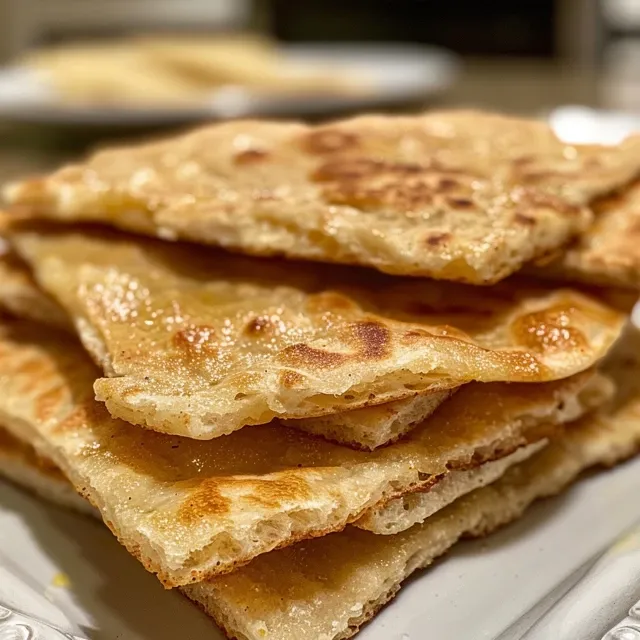
Now that you have your ingredients ready, let’s cook!
- In a large bowl, whisk together the gluten-free flour blend, xanthan gum, tapioca starch, kosher salt, and baking powder until well combined. This is your dry mixture.
- Add the olive oil and chilled milk to the dry mixture. Stir until everything is combined. The dough will initially be wet but will thicken as the flour absorbs the liquid. If it feels too sticky, knead briefly with clean hands until smooth.
- Divide the dough into two equal portions of about 5 ounces each. Wrap them tightly in plastic wrap and refrigerate for 30 minutes (up to 3 days). Chilling enhances the dough’s handling and texture, but you can proceed immediately if you’re short on time.
- Heat a 10-inch or larger cast iron or heavy-bottomed nonstick skillet over medium heat. Have a flat spatula and a tea towel nearby.
- On a lightly floured surface, take one portion of dough, sprinkle with flour, and roll it into a rough 8-inch round, adding more flour as needed to prevent sticking. Smooth the edges for a rustic flatbread shape.
- Lightly brush about 1 teaspoon of neutral oil onto the hot skillet and place the rolled dough in the center. Cook undisturbed for about 1 minute until the edges lift slightly. Use the spatula to check for sticking and then flip the flatbread.
- Press down firmly with the spatula to keep it flat and prevent puffing. Prick any bubbles that form with a toothpick. Continue flipping frequently until the flatbread is cooked through and no longer glistens, about 2 to 3 minutes in total.
- Once done, remove the flatbread and place it in the center of a tea towel. Fold the edges over to keep it warm. Repeat the shaping and cooking process with the second portion of dough, adding oil as needed.
- While still warm, roll each flatbread tightly in the tea towel, letting them cool in the towel for 5 minutes before unwrapping and serving. Enjoy!
Pro Tips for Perfect Flatbreads
- Perfect Texture: Ensure your skillet is hot before placing the dough to achieve a lovely golden color.
- Flour Type Matters: Using a high-quality gluten-free flour blend is key to a successful flatbread.
- Don’t Skip Chilling: Chilling the dough helps improve its texture and makes it easier to work with.
- Experiment with Thickness: Feel free to roll the dough thinner or thicker based on your preference.
- Watch the Heat: Adjust the heat as needed to prevent burning. Medium heat usually works best.
- Use Fresh Ingredients: Fresh baking powder and flour yield the best results.
- Substitutions: For a dairy-free version, stick to plant-based milk. You can also add herbs like rosemary or garlic powder for added flavor.
- Storage Tips: Store leftovers in an airtight container in the fridge for up to 3 days.
Common Mistakes & Troubleshooting
Even the best cooks encounter hiccups! Here are common issues you might face and how to solve them:
- Dough Too Sticky: If your dough is overly sticky, gradually add more gluten-free flour until it reaches a workable consistency.
- Flatbreads Not Cooking Evenly: Ensure your skillet is preheated properly and adjust the heat as needed.
- Flatbreads Are Tough: Over-kneading can make the dough tough. Mix until just combined for the best texture.
- Flatbreads Puffing Too Much: Pricking bubbles with a toothpick helps prevent excessive puffing.
Delicious Variations
Feel free to get creative! Here are some fun variations to try:
- Herbed Flatbreads: Add 1-2 teaspoons of dried herbs like oregano or thyme to the dry ingredients for a fragrant twist.
- Garlic Flavored: Mix in minced garlic or garlic powder for a savory kick.
- Cheesy Flatbreads: Incorporate 1/4 cup of grated cheese (like mozzarella or nutritional yeast for a vegan option) into the dough.
- Spicy Flatbreads: Add a pinch of red pepper flakes or smoked paprika to give your flatbreads some heat.
Storage & Make-Ahead Instructions
These flatbreads are best enjoyed fresh, but you can certainly prepare them ahead of time! Here’s how:
- Refrigerating Dough: You can store the dough wrapped in plastic for up to 3 days in the fridge. Just let it come to room temperature before rolling out.
- Storing Cooked Flatbreads: Store cooked flatbreads in an airtight container for up to 3 days. Reheat them in a skillet or microwave.
Your Burning Questions Answered!
Here are some frequently asked questions about gluten-free flatbreads:
- 1. Can I make these flatbreads in advance? Yes! Prepare the dough ahead of time and refrigerate it, or cook the flatbreads and store them for later use.
- 2. Can I freeze the flatbreads? Absolutely! Freeze cooked flatbreads in an airtight container with parchment paper between them for easy separation.
- 3. What can I serve with these flatbreads? Pair them with hummus, dips, soups, or use them as a wrap for sandwiches.
- 4. Can I use different types of gluten-free flour? Yes! Just ensure the flour blend you choose is suitable for baking and preferably contains xanthan gum.
- 5. How do I make them crispy? Simply cook them a little longer in the skillet until they become golden and crisp.
- 6. Are these flatbreads vegan? Yes, if you use plant-based milk and omit any cheese.
- 7. Can I add fillings to the flatbreads? Yes! Experiment with fillings like cheese, vegetables, or herbs before cooking.
- 8. What’s the best way to reheat leftover flatbreads? Reheat them in a skillet for a minute on each side or microwave briefly until warm.
Nutritional Benefits & Dietary Adaptations
This gluten-free flatbread is not only delicious but also offers several nutritional benefits:
- High in Fiber: Using gluten-free flour blends that include whole grains can boost fiber content.
- Low in Sugar: This recipe contains no added sugars, making it a healthier option for your meals.
- Customizable for Dietary Needs: Easily adapt the recipe to suit various dietary preferences, including vegan and dairy-free options.
Essential Equipment for Success
Make your cooking experience enjoyable with the right tools:
- Cast Iron Skillet: A quality skillet ensures even heat distribution for perfectly cooked flatbreads.
- Rolling Pin: Helps achieve an even thickness for your flatbreads.
- Spatula: A flat spatula is essential for flipping the flatbreads without tearing them.
- Measuring Cups and Spoons: Accurate measurements are key for consistent results.
Serving Suggestions
Ready to enjoy your homemade flatbreads? Here are some serving ideas:
- Wraps: Fill them with grilled vegetables, hummus, or your favorite protein for a satisfying meal.
- Dips: Serve alongside dips like tzatziki, guacamole, or a classic marinara.
- As a Side: Pair with soups or salads for a complete dining experience.
- Pizzas: Use as a base for mini pizzas topped with your favorite ingredients!
Final Thoughts
Making gluten-free flatbreads at home is not only rewarding but also a fun activity to share with family and friends. With this easy recipe, you can create delightful flatbreads that enhance any meal. Remember, the kitchen is your playground—don’t be afraid to experiment and make it your own! Happy cooking, and may your flatbreads always be soft and delicious!
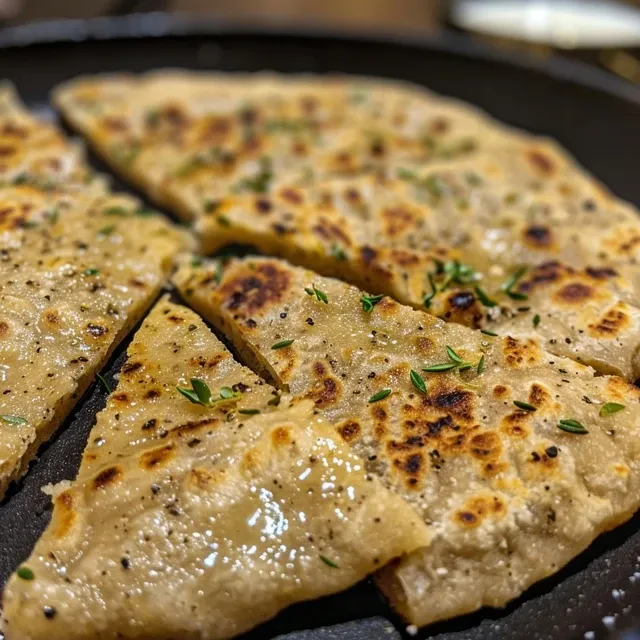
Gluten-Free Flatbread Recipe
Ingredients
Dry ingredients
- 3/4 cup all-purpose gluten free flour blend (plus extra for sprinkling)
- 1/2 teaspoon xanthan gum (omit if your blend already contains it)
- 5 tablespoons tapioca starch/flour
- 3/4 teaspoon kosher salt
- 1/2 teaspoon baking powder
- 1 tablespoon extra virgin olive oil
- 1/2 cup plain unsweetened plant-based milk (or cow’s milk, chilled)
Neutral oil for skillet
- as needed neutral oil (e.g., grapeseed, canola, vegetable)
Instructions
- Mix dry ingredients, then add oil and milk; stir until combined and knead briefly if sticky.
- Divide dough into two portions, wrap, and refrigerate for 30 minutes.
- Heat skillet over medium; roll each dough portion into an 8-inch round, adding flour to prevent sticking.
- Brush skillet with oil, cook flatbread for 1 minute, flip, and cook 2-3 minutes until done.
- Keep flatbreads warm in a towel; repeat with second portion.