
Welcome to Your Bread Making Adventure!
Have you ever wanted to bake your own bread but felt intimidated by the process? Well, you’re in the right place! In this friendly guide, we’ll dive into a simple yet delightful beginner bread recipe that’s perfect for anyone, whether you’re a complete novice or a seasoned cook looking to try something new. With just a handful of basic ingredients and straightforward steps, you’ll soon be enjoying the warm, comforting aroma of freshly baked bread wafting through your kitchen. Let’s embark on this baking adventure together!
Why You’ll Love This Recipe
Here are just a few reasons why this beginner bread recipe is a must-try:
- Simple ingredients: This recipe uses everyday ingredients you probably already have at home. No need for fancy flours or special additives!
- Beginner-friendly: You don’t need to be a pro baker to succeed. The steps are clear and easy to follow, making it perfect for beginners.
- Quick to make: From start to finish, you can have a delicious loaf of bread ready in just a few hours, including rising time.
- Versatile base: This basic recipe can be customized with herbs, spices, or even cheese for added flavor. Your imagination is the limit!
- Delicious results: The final product is a soft, crusty loaf that’s perfect for sandwiches, toast, or simply slathering with butter.
Essential Ingredients for Your Bread
Let’s break down the ingredients you’ll need to create this lovely loaf:
- 3 cups (360 g) all-purpose flour: This is the backbone of your bread. Feel free to substitute with whole wheat flour for a nuttier flavor.
- 1 cup (240 ml) warm water: Ensure it’s about 105–110°F (40–43°C) for optimal yeast activation.
- 2 teaspoons (7 g) active dry yeast: If you prefer, you can use instant yeast instead—just toss it in with the flour!
- 1 tablespoon (12 g) granulated sugar or honey: This helps feed the yeast and adds a touch of sweetness.
- 1 teaspoon (6 g) fine sea salt: Essential for flavor! Don’t skip this—salt enhances the taste of your bread.
- 1 tablespoon (15 ml) olive oil or melted butter: This adds richness and helps keep your bread tender.
- Optional: 1 egg beaten with 1 tablespoon water: If you want a shiny crust, brush this mixture on top before baking.
Step-by-Step Instructions
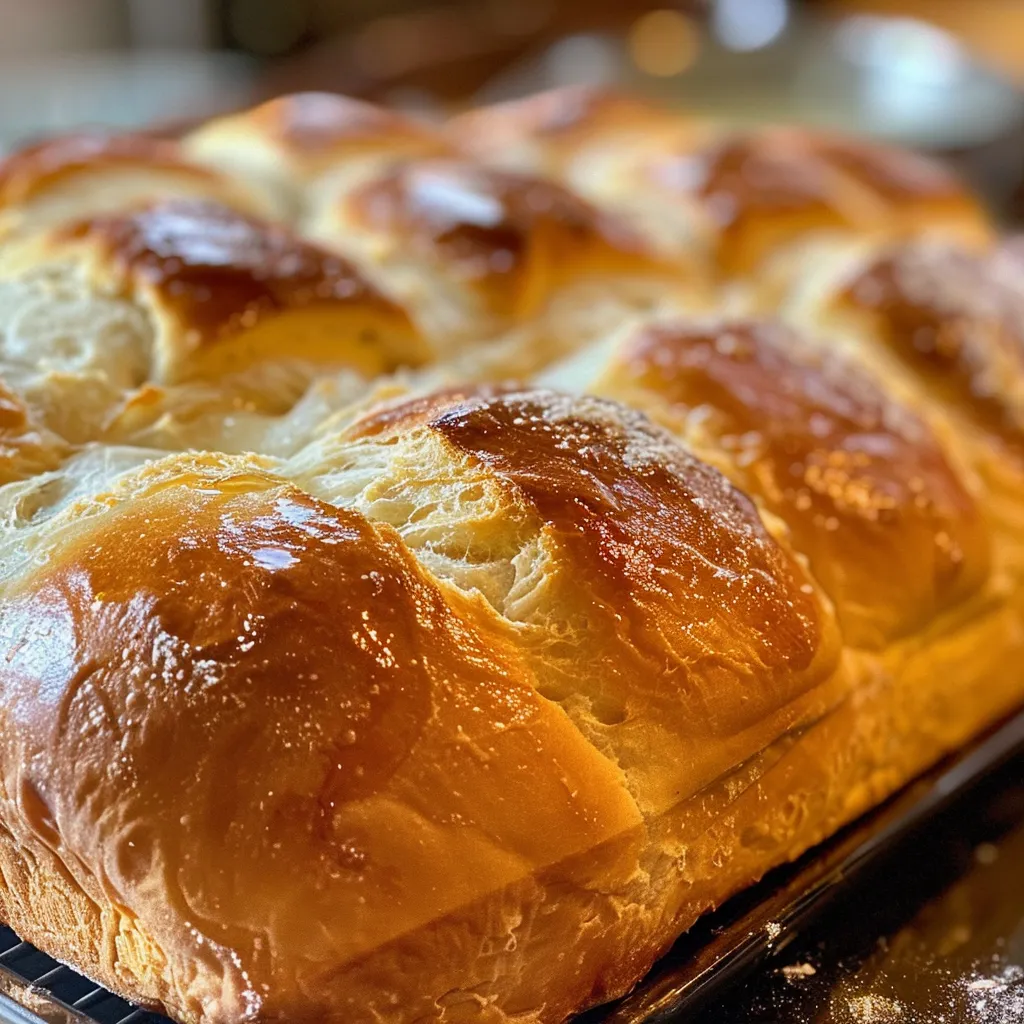
Ready to get your hands doughy? Let’s make your first loaf!
- In a large mixing bowl, combine the warm water, sugar, and yeast. Let it sit for about 5-10 minutes, until it becomes frothy.
- Add the olive oil (or melted butter), flour, and salt to the yeast mixture. Stir with a wooden spoon or spatula until a shaggy dough forms.
- Turn the dough out onto a lightly floured surface. Knead the dough for about 8-10 minutes, until it becomes smooth and elastic. If it’s too sticky, sprinkle in a little more flour as needed.
- Form the dough into a ball and place it in a lightly greased bowl, turning to coat. Cover with a clean kitchen towel and let it rise in a warm spot until doubled in size, about 1-2 hours.
- Once risen, punch down the dough to release any air bubbles. Shape it into a loaf and place it in a greased loaf pan or on a baking sheet.
- Cover again and let it rise for another 30-45 minutes. Preheat your oven to 375°F (190°C) during this time.
- If desired, brush the top with the egg wash for a shiny finish. Bake for 25-30 minutes, or until golden brown and sounds hollow when tapped.
- Let it cool in the pan for 10 minutes, then transfer to a wire rack to cool completely before slicing. Enjoy your homemade bread!
Pro Tips for Perfect Bread
Here are some expert insights to help you along the way:
- Check your yeast: Before starting, ensure your yeast is active by dissolving it in warm water with a pinch of sugar. If it doesn’t froth, it’s time for a new packet!
- Don’t skip the kneading: Kneading develops gluten, giving your bread structure. A well-kneaded dough will be smooth and elastic.
- Warm rising environment: If your kitchen is cool, place the dough in a turned-off oven with the light on to create a warm environment.
- Use a thermometer: For accurate baking, use an instant-read thermometer. Bread is done when it reaches 190°F (88°C) in the center.
- Experiment with flavors: Add herbs, spices, or cheese to the dough for a unique twist. Garlic powder, rosemary, or cheddar are all fantastic options!
- Don’t rush the cooling: Allow your bread to cool completely before slicing to ensure the texture stays perfect.
Common Mistakes and Troubleshooting
Even the best bakers make mistakes! Here are some common issues and how to fix them:
- Dough didn’t rise: This can happen if your yeast is old or if the water was too hot or too cold. Always check your yeast’s expiration date!
- Dense bread: This might result from not kneading enough or adding too much flour. Remember, the dough should be slightly tacky but not sticky.
- Overbaked crust: If your crust is too dark, try covering it loosely with aluminum foil halfway through baking to prevent burning.
Variations to Try
Once you’ve mastered the basic loaf, why not experiment with some fun variations?
- Herb and Garlic Bread: Add minced garlic and fresh herbs like rosemary or thyme to the dough for a fragrant twist.
- Cheddar Jalapeño Bread: Mix in shredded cheddar cheese and diced jalapeños for a spicy kick!
- Cinnamon Raisin Bread: Incorporate cinnamon and raisins for a delightful sweet treat that’s perfect for breakfast.
- Seeded Bread: Top your loaf with sesame, poppy, or sunflower seeds before baking for a nutty crunch.
Storage and Make-Ahead Instructions
Want to enjoy your bread later? Here’s how to store and prepare ahead:
- Room temperature: Store your loaf wrapped in plastic wrap or in a bread box for up to 3 days.
- Freezing: Slice the bread and freeze in an airtight bag for up to 3 months. Thaw at room temperature or toast directly from frozen.
- Make-ahead dough: You can prepare the dough up to the first rise, then refrigerate it for up to 24 hours. Just bring it back to room temperature before shaping and the second rise.
FAQs About Baking Bread
Here are some frequently asked questions to guide you:
- What type of flour should I use? All-purpose flour works great for this recipe, but you can experiment with whole wheat or bread flour for different textures.
- Can I use active dry yeast instead of instant yeast? Yes! Just activate it with warm water first.
- How do I know when my bread is done? Tap the bottom of the loaf; it should sound hollow, or use a thermometer to check for 190°F (88°C).
- Why is my bread crust too hard? This may happen if you bake at too high a temperature. Try lowering it slightly or covering with foil.
- Can I add extras like nuts or seeds? Absolutely! Just fold them into the dough during the kneading process.
- What if my dough is too sticky? If your dough is sticky, sprinkle in a little more flour while kneading until it reaches the right consistency.
- Can I make this gluten-free? Yes! Use a gluten-free flour blend designed for baking, but follow the instructions on the package for best results.
- How can I make this recipe vegan? Substitute honey with maple syrup and use plant-based butter or oil.
Nutrition Tips and Dietary Adaptations
Here are some nutrition tips for a healthier loaf:
- Whole grains: Swap out half of the all-purpose flour for whole wheat flour to increase fiber.
- Reduce sugar: If you prefer less sweetness, you can cut back on the sugar without sacrificing texture.
- Add seeds: Flaxseeds or chia seeds can be added for extra nutrients and omega-3 fatty acids.
Equipment Recommendations
To make your bread-making journey easier, here’s a list of equipment that will help:
- Mixing bowl: A large bowl for mixing your ingredients.
- Dough scraper: Perfect for kneading and transferring dough.
- Loaf pan: If you want a classic sandwich-style loaf, a non-stick loaf pan is essential.
- Kitchen thermometer: For checking water temperature and bread doneness.
Serving Suggestions
Once your bread is baked and cooled, it’s time to enjoy it! Here are some serving ideas:
- Toast it: Spread on some butter or your favorite jam for a delicious breakfast.
- Make a sandwich: Use slices for a hearty sandwich filled with your favorite ingredients.
- Pair with soup: A warm slice of bread goes perfectly with a bowl of creamy soup or stew.
Conclusion
Congratulations on taking your first step into the wonderful world of baking bread! With this friendly guide, you’ve learned not only how to make a simple loaf but also how to troubleshoot common issues and explore fun variations. Remember, practice makes perfect, and every loaf is a chance to experiment and discover what you love. So gather your ingredients, roll up your sleeves, and let’s bake some joy together! Happy baking, my friend!
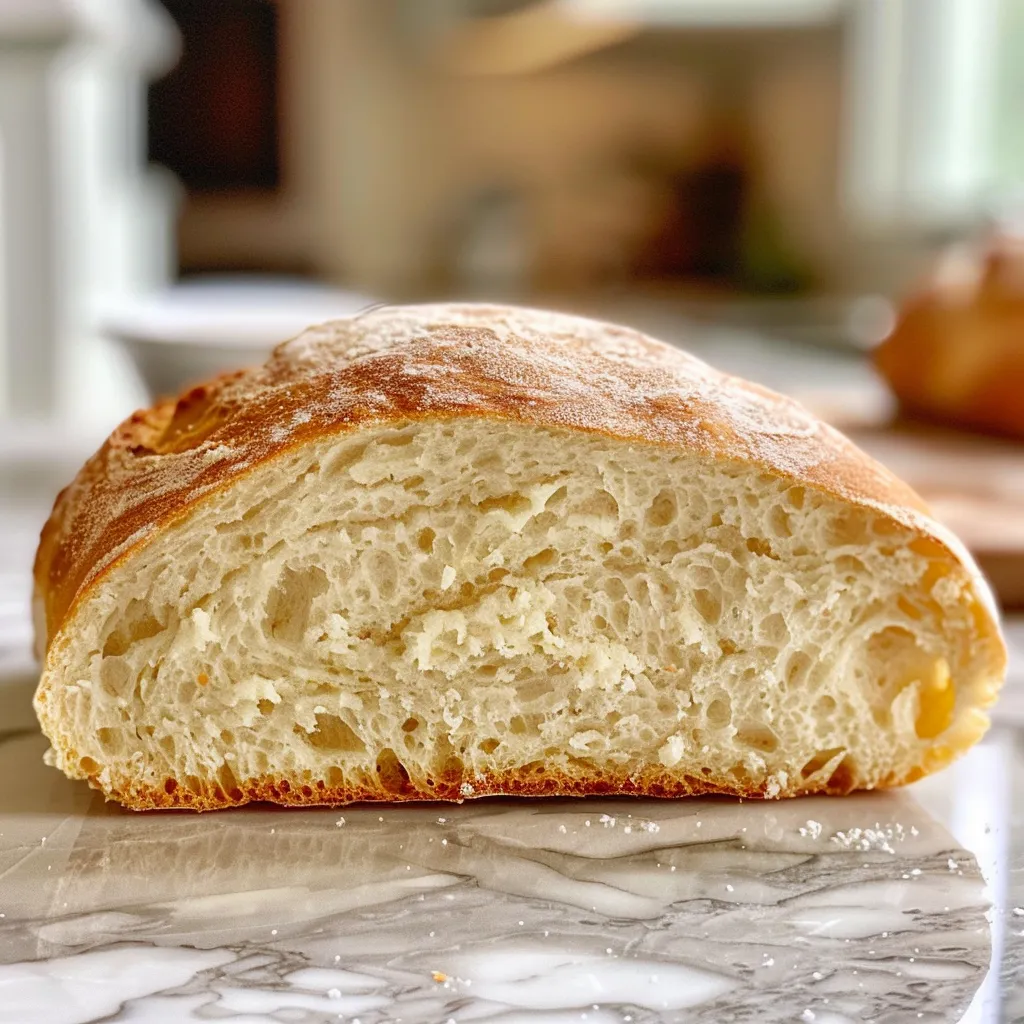
Beginner Bread Recipe Easy – A Simple Loaf Anyone Can Make
Ingredients
Flour
- 3 cups all-purpose flour (plus extra for dusting)
- 1 cup warm water (about 105–110°F (40–43°C))
- 2 teaspoons active dry yeast ((or instant yeast))
- 1 tablespoon granulated sugar or honey
- 1 teaspoon fine sea salt
- 1 tablespoon olive oil or melted butter (plus a little extra for the bowl)
Optional: Egg wash
- 1 egg beaten egg (with 1 tablespoon water)
Instructions
- Mix flour, yeast, sugar, and salt in a bowl.
- Add warm water and olive oil, then knead until smooth.
- Let the dough rise in a greased bowl for about 1 hour until doubled in size.
- Shape the dough into a loaf and place on a baking sheet.
- If using egg wash, brush the top of the loaf.
- Bake at 375°F (190°C) for 30 minutes until golden brown.