
Welcome to the Joy of Homemade Bread!
There’s something magical about the aroma of freshly baked bread wafting through your kitchen. If you’re ready to embark on a delightful journey of baking your own homemade bread, you’ve come to the right place! With just a handful of simple ingredients, a sprinkle of love, and a dash of patience, you’ll be creating warm, fresh loaves that fill your home with joy. Let’s knead, rise, and shine together!
Why You’ll Love This Recipe
- Simple Ingredients: This recipe uses everyday ingredients that you likely already have in your pantry, making it accessible for everyone.
- Perfect for Beginners: Even if you’re new to baking, this straightforward recipe will guide you every step of the way.
- Endless Customization: You can easily adapt this bread recipe to suit your tastes by adding herbs, cheese, or even nuts!
- Healthier Option: Making your own bread allows you to control the ingredients, reducing preservatives and additives.
- Great for Any Occasion: Whether it’s for breakfast, sandwiches, or just slathering with butter, this homemade bread fits every meal!
Ingredient Breakdown
Let’s dive into the ingredients you’ll need for this delightful homemade bread:
- 354 g water (1 ½ cups): This is essential to activate the yeast and create a moist dough.
- 7 g instant yeast (2 ¼ teaspoons): Instant yeast makes the dough rise beautifully without the long waiting times.
- 70 g sugar (¼ cup + 2 tbsp): The sugar not only sweetens the bread but also feeds the yeast for a better rise.
- 625 g bread flour (about 5 cups): This flour has a higher protein content which is perfect for creating that lovely chewy texture.
- 32 g powdered milk (¼ cup): This ingredient adds richness to the bread and helps keep it soft.
- 9 g salt (1 ½ teaspoons): Salt enhances the flavors and strengthens the dough.
- 60 g butter (5 tbsp, room temperature): Butter brings a wonderful flavor and tender crumb to the bread.
- 13 g oil (1 tbsp): A bit of oil adds moisture and helps the bread stay fresh longer.
How to Make Homemade Bread
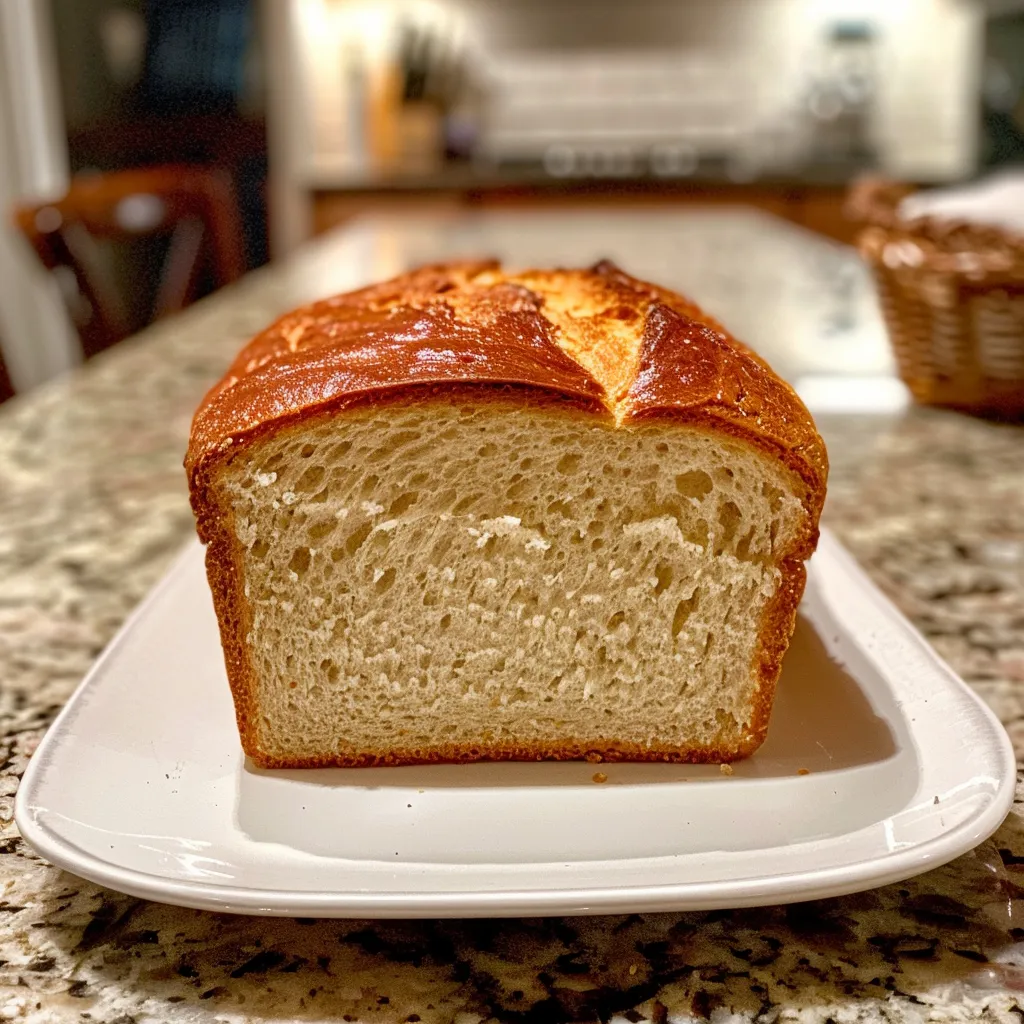
Now that we have our ingredients ready, let’s get baking!
Step-by-Step Instructions
- Activate the Yeast: In a bowl, mix the warm water with sugar and instant yeast. Let it sit for about 5-10 minutes until it becomes frothy.
- Mix the Dry Ingredients: In a large mixing bowl, combine the bread flour, powdered milk, and salt. Stir these together well.
- Combine Wet and Dry Ingredients: Pour the activated yeast mixture and softened butter into the dry ingredients. Mix until a dough forms.
- Knead the Dough: Turn the dough onto a floured surface and knead for about 10 minutes until smooth and elastic.
- First Rise: Place the dough in a greased bowl, cover with a damp cloth, and let it rise in a warm place for 1-2 hours, or until doubled in size.
- Punch Down and Shape: Once risen, punch down the dough gently to release the air. Shape it into a loaf or divide it for rolls.
- Second Rise: Place the shaped dough into a greased loaf pan, cover, and let it rise again for about 30-45 minutes.
- Bake: Preheat your oven to 350°F (175°C). Bake the bread for 30-35 minutes, or until golden brown and sounds hollow when tapped.
- Cool: Remove from the oven and let it cool on a wire rack before slicing.
Pro Tips for Perfect Bread
- Use a Kitchen Scale: Weighing your ingredients ensures accuracy, especially for the flour, which can vary based on how you measure it.
- Check Your Yeast: Always ensure your yeast is fresh. If it doesn’t froth in the first step, it may be expired.
- Knead Well: Kneading develops gluten, which gives your bread that lovely structure. Don’t skip this step!
- Temperature Matters: The water should be warm (not hot) for the yeast to activate properly, around 105-115°F (40-46°C).
- Room Temperature Ingredients: Ensure your butter and other ingredients are at room temperature for better mixing.
- Don’t Rush the Rise: Allowing the dough to rise properly is crucial for flavor and texture. Patience is key!
- Check for Doneness: Use a thermometer to check the internal temperature of the bread; it should be around 190°F (88°C).
- Store Properly: Keep your bread in a cool, dry place in a bread box or wrapped in a cloth to maintain freshness.
Common Mistakes and Troubleshooting
Even the best home bakers make mistakes! Here are some common pitfalls and how to avoid them:
- Dense Bread: This can happen if you use too much flour or don’t knead the dough enough. Make sure to measure accurately!
- Not Rising: If your dough doesn’t rise, check the temperature of your water and ensure your yeast is fresh.
- Crust Too Hard: If your bread has a hard crust, try covering it with foil during the last few minutes of baking to soften it.
- Burnt Bottom: If the bottom of the bread is browning too quickly, place it on a higher rack in the oven.
Delicious Variations to Try
Once you’ve mastered this basic recipe, why not get creative? Here are some tasty variations:
- Herb-Infused Bread: Add dried herbs like rosemary or thyme to the dough for an aromatic twist.
- Cheesy Delight: Fold in shredded cheese like cheddar or mozzarella for a cheesy loaf.
- Whole Wheat Bread: Substitute part of the bread flour with whole wheat flour for a nutty flavor and added fiber.
- Sourdough Starter: Incorporate a sourdough starter for a tangy flavor and unique texture.
Storage and Make-Ahead Instructions
Wondering how to keep your homemade bread fresh? Here are some tips:
- Room Temperature: Store in a bread box or wrapped in a cloth at room temperature for up to 3 days.
- Freezing: You can freeze baked bread for up to 3 months. Slice it before freezing for quick access!
- Reviving Old Bread: If your bread gets stale, try toasting it or warming it in the oven for a few minutes.
Frequently Asked Questions
- Can I use all-purpose flour instead of bread flour? Yes, but the texture may be slightly different. Bread flour gives a chewier result.
- What if my dough is too sticky? If the dough is too sticky, sprinkle a little more flour while kneading until it’s manageable.
- Can I use honey instead of sugar? Absolutely! Honey can add a unique flavor and moisture.
- How do I know when my bread is done? The bread should be golden brown and sound hollow when tapped on the bottom.
- Is it possible to make bread without yeast? Yes, you can make quick breads using baking powder or soda instead.
- How long does it take for the dough to rise? Typically, it takes 1-2 hours, but this can vary based on room temperature.
- Can I add fruits or nuts? Yes! Dried fruits and nuts can be wonderful additions; just fold them in gently at the end.
- What are the best ways to serve homemade bread? Slice and serve with butter, or use for sandwiches, toast, or even as a side with soups!
Nutritional Tips and Dietary Adaptations
For those mindful of their diet, here are some tips:
- Whole Grain Options: Use whole grain flours to increase fiber content and nutrient density.
- Dairy-Free Substitutions: Replace butter and milk with plant-based alternatives to make it dairy-free.
- Lower Sugar Variations: Reduce the sugar amount for a less sweet bread or substitute with natural sweeteners.
Essential Equipment for Bread Baking
To make your bread-making experience smooth and enjoyable, here’s a list of helpful equipment:
- Mixing Bowls: A variety of sizes for mixing and rising.
- Measuring Cups and Spoons: Accurate measurements are key to successful baking.
- Baking Sheet or Loaf Pan: For shaping and baking your bread.
- Kitchen Scale: For precise ingredient measurement.
- Cooling Rack: To cool your baked bread evenly.
- Kitchen Towel: To cover the dough while it rises, keeping it warm and moist.
Serving Suggestions
This bread is incredibly versatile! Here are some serving ideas to inspire you:
- Classic Spread: Serve warm with butter, or use spreads like jam or honey.
- Sandwich Base: Use it as a hearty base for your favorite sandwiches, from classic turkey to veggie delights.
- Soup Companion: Pair with your favorite soup for a comforting meal.
- Toast it Up: Make delicious toast topped with avocado, eggs, or your favorite nut butter!
Conclusion
Congratulations on taking the first step towards becoming a homemade bread expert! Remember, baking bread is all about patience, practice, and joy. Embrace the process, experiment with flavors, and most importantly, have fun! Share your delicious creations with friends and family, and don’t forget to celebrate each little victory in your baking journey. Happy baking, my friend!
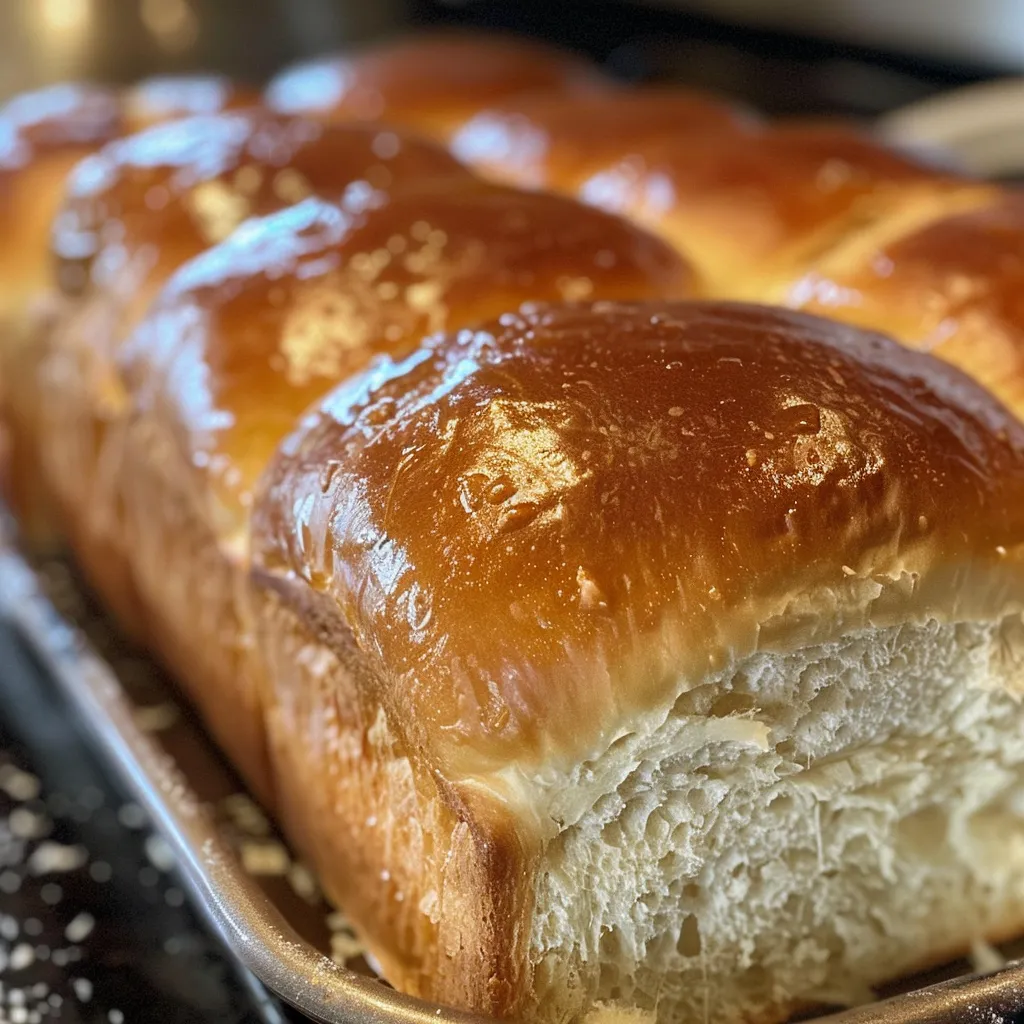
Homemade Bread
Ingredients
Dough
- 354 g water (1 ½ cups)
- 7 g instant yeast (2 ¼ teaspoons)
- 70 g sugar (¼ cup + 2 tbsp)
- 625 g bread flour (about 5 cups)
- 32 g powdered milk (¼ cup)
- 9 g salt (1 ½ teaspoons)
- 60 g butter (5 tbsp (room temperature))
- 13 g oil (1 tbsp)
Instructions
- Mix water, yeast, and sugar until dissolved.
- Add flour, powdered milk, salt, butter, and oil; knead until smooth.
- Let the dough rise in a warm place for about 1 hour.
- Preheat oven to 375°F (190°C).
- Shape the dough and bake for 30 minutes until golden brown.
