![['Close-up view of freshly baked oatmeal bread with a golden crust.', 'Side view of a sliced oatmeal bread revealing its soft texture and oats.', 'Detailed image of a loaf of oatmeal bread showcasing its rich color and ingredients.', 'A rustic slice of oatmeal bread on a wooden board, highlighting its moist interior.']](https://snacknova.com/wp-content/uploads/2026/06/oatmeal-bread_1_U1.webp "Embrace the Warmth: Baking Classic Oatmeal Bread Together")
Unleashing the Heart of Your Kitchen: The Classic Oatmeal Bread Recipe
Welcome to the warm and cozy world of baking! Today, we’re diving into the delightful realm of Classic Oatmeal Bread. This recipe is not just about making bread; it’s about creating memories, filling your home with comforting aromas, and enjoying the simple pleasures of life. With a perfect blend of wholesome oats and tender love, this bread will become a staple in your kitchen. Whether you’re slathering it with butter, turning it into a sandwich, or simply enjoying a slice fresh out of the oven, you’re going to love every bite!
Why You’ll Love This Recipe
This Classic Oatmeal Bread is not only delicious but also incredibly versatile. Here are just a few reasons why you’ll want to make this bread:
- Nutritious goodness: Packed with oats, this bread is a great source of fiber and nutrients, making it a healthy choice for any meal.
- Simple ingredients: You likely already have most of the ingredients in your pantry, making this recipe easy and accessible.
- Endless versatility: Enjoy it as toast, in sandwiches, or with a comforting bowl of soup; the options are limitless!
- Perfect for beginners: This recipe is straightforward, making it an excellent starting point for those new to baking.
- Freezing friendly: Bake a batch and freeze some for later, ensuring you always have a delicious loaf on hand.
Ingredient Breakdown
Let’s take a closer look at what you’ll need to create this fantastic oatmeal bread. Each ingredient plays a crucial role, and I’ll also share some handy substitutions!

★ Recommended Kitchen Tool
Meal Prep Container Set
Make this recipe even easier with a quality Meal Prep Container Set — a must-have kitchen staple!
- Oatmeal: 1 cup of regular oatmeal (not quick oats) is essential for that wonderful texture and flavor. You can substitute with rolled oats if needed.
- Boiling Water: 1 cup to help soften the oats and activate their flavor. This step is key to achieving the right consistency!
- Warm Water: ½ cup at around 110ºF is perfect for activating the yeast. Make sure it’s not too hot, or it could kill the yeast!
- Yeast: 2 ¼ teaspoons of active dry yeast (1 envelope) is what makes this bread rise beautifully.
- All-Purpose Flour: 2 ½ cups will give the bread its structure. You can also use whole wheat flour for a heartier loaf.
- Brown Sugar: 2 tablespoons add a touch of sweetness. Feel free to use honey or maple syrup as a substitute!
- Salt: 1 teaspoon enhances the flavors of the other ingredients. Don’t skip this step!
- Butter: 2 tablespoons, cut into pieces, not only adds flavor but also helps keep the bread moist. You can use olive oil for a dairy-free option.
Pro Tips for the Perfect Oatmeal Bread
![['Close-up view of freshly baked oatmeal bread with a golden crust.', 'Side view of a sliced oatmeal bread revealing its soft texture and oats.', 'Detailed image of a loaf of oatmeal bread showcasing its rich color and ingredients.', 'A rustic slice of oatmeal bread on a wooden board, highlighting its moist interior.']](https://snacknova.com/wp-content/uploads/2026/06/oatmeal-bread_1_U2.webp)
Ready to make baking magic? Here are some expert insights to ensure your oatmeal bread turns out perfect every time:
- Room Temperature Ingredients: Make sure your ingredients, especially the water, are at the right temperature for optimal yeast activation.
- Kneading Technique: Knead the dough on low speed for about 5 minutes until it’s smooth and elastic. This step is crucial for the bread’s texture!
- Rising Time: Allow the dough to rise until it doubles in size, usually about 1 hour. Patience is key for fluffy bread!
- Don’t Rush the Baking: When you place the loaves in the oven, immediately reduce the temperature to 350ºF for even baking.
- Check for Doneness: The bread is ready when it sounds hollow when tapped or reaches an internal temperature of 210ºF.
- Cooling is Important: Let the bread cool completely on a rack before slicing to ensure you get nice, even slices.
- Experiment with Flavors: Feel free to add herbs, spices, or even cheese for a unique twist!
- Use a Dough Scraper: This tool can help you manage sticky dough and keep your work surface clean.
Avoiding Common Mistakes
Baking can be tricky, but your friendly reminder is here to help you troubleshoot:
- Too Dense: If your bread turns out dense, ensure your yeast is fresh and properly activated before adding it to the dough.
- Sticking to the Pan: Always grease your loaf pan adequately to avoid any sticking.
- Over-kneading: Knead just until smooth and elastic; overworking the dough can lead to tough bread.
- Underbaking: If unsure, use a thermometer to check the internal temperature to avoid gooey bread.
Delicious Variations to Try
Once you’ve mastered the classic version, why not mix things up? Here are some delightful variations you can experiment with:
- Add Raisins or Nuts: After the first rise, fold in 1 cup of your favorite nuts or dried fruits for added texture and flavor.
- Seed Toppings: Sprinkle sesame or sunflower seeds on top before baking for a crunchy finish.
- Herb Infusion: Add dried herbs like rosemary or thyme to the dough for an aromatic twist.
- Cheesy Delight: Incorporate shredded cheese into the dough for a savory version that pairs perfectly with soups.
Storage and Make-Ahead Instructions
Planning to enjoy your oatmeal bread later? Here’s how to store it:
- Room Temperature: Store the bread at room temperature in a bread box or wrapped in a kitchen towel for up to 3 days.
- Freezing: For longer storage, wrap the loaf tightly in plastic wrap and aluminum foil before freezing. It can last for up to 3 months!
- Thawing: To enjoy frozen bread, let it thaw at room temperature or pop slices in the toaster for a quick treat.
Frequently Asked Questions
Got questions? I’ve got answers! Here are some frequently asked questions about oatmeal bread:
- Can I use instant oats instead of regular? No, regular oats are essential for the right texture and moisture.
- What can I substitute for brown sugar? Feel free to use honey, maple syrup, or white sugar, but note that this may alter the flavor slightly.
- How can I tell when my bread is done? The bread should sound hollow when tapped or reach an internal temperature of 210ºF.
- Can I make this recipe vegan? Yes! Substitute butter with coconut oil or olive oil and use a vegan sugar.
- What if my dough doesn’t rise? Make sure your yeast is fresh and that your water isn’t too hot or cold.
- Can I double this recipe? Absolutely! Just ensure you have a large enough mixing bowl for the dough.
- Can I use whole wheat flour? Yes! You can substitute half or all of the all-purpose flour with whole wheat flour for a heartier loaf.
- How do I reheat leftover bread? Slice and toast it in the oven or toaster for a delightful snack!
Nutritional Insights and Dietary Adaptations
This Classic Oatmeal Bread is not only tasty but also packed with nutrients. Here are some nutritional highlights:
- High in Fiber: Oats are an excellent source of soluble fiber, which is great for digestion.
- Low in Fat: With only a small amount of butter, this bread is low in fat compared to many store-bought options.
- Customizable for Diets: Easily make this recipe gluten-free by using a gluten-free flour blend.
Equipment Recommendations
Here are a few tools that will make your baking experience smoother:
- Stand Mixer: Perfect for kneading the dough effortlessly.
- Dough Scraper: Great for managing sticky dough and keeping your work surface tidy.
- Loaf Pan: An 8 ½ x 4 ¼ inch pan is ideal for this recipe.
- Kitchen Thermometer: Ensure your bread is perfectly baked by checking its internal temperature.
Serving Suggestions
Now that you have your delicious oatmeal bread, let’s talk about how to serve it:
- Classic Toast: Slather with butter and your favorite jam for a delightful breakfast.
- Sandwiches: Use it for hearty sandwiches filled with your favorite meats and veggies.
- With Soups: Pair slices with warm, comforting soup for a complete meal.
- French Toast: Transform leftovers into delicious French toast for a brunch treat.
There you have it—the ultimate guide to baking Classic Oatmeal Bread! I hope you feel inspired to roll up your sleeves and get baking. Remember, the kitchen is a place for creativity and joy, so don’t be afraid to experiment and make this recipe your own. Happy baking, friends!
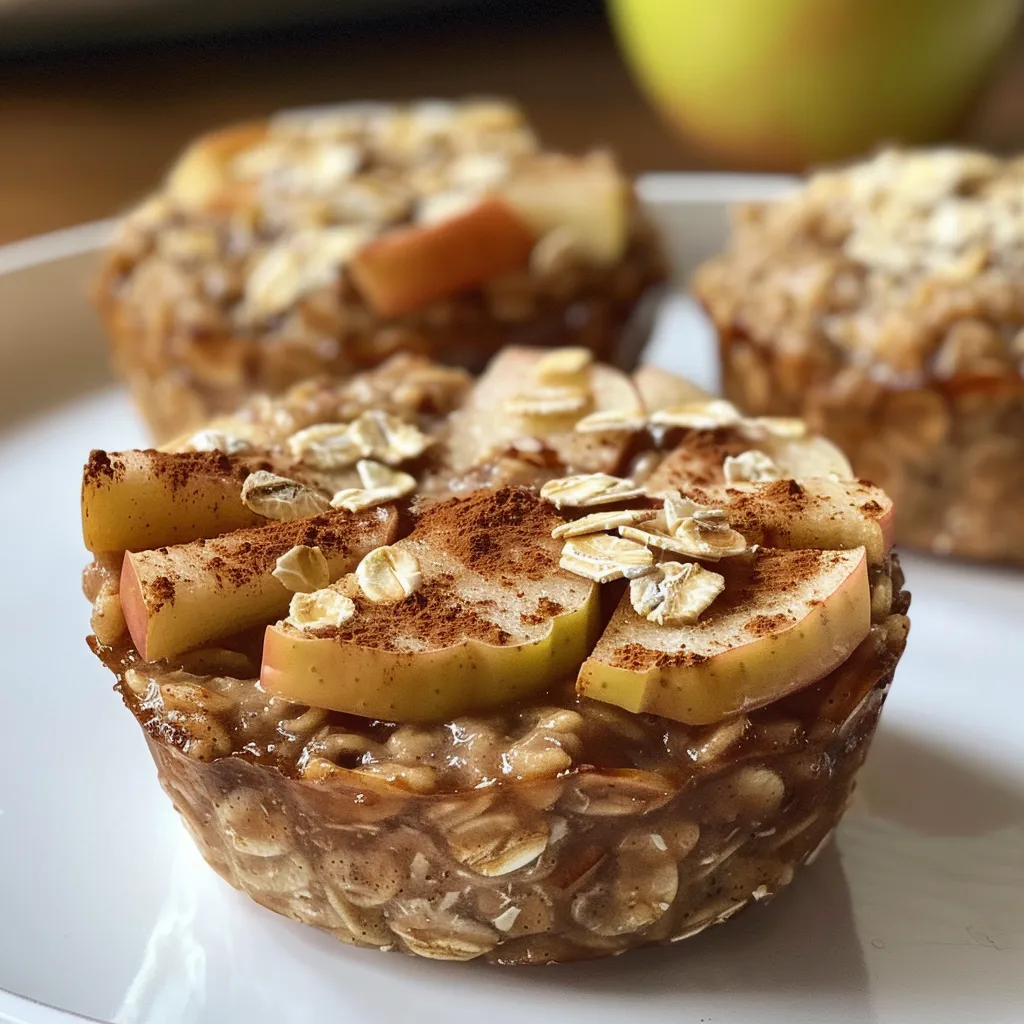
Classic Oatmeal Bread
Ingredients
Oats
- 1 cup oatmeal (regular, not quick oats)
- 1 cup boiling water
- ½ cup warm water (about 110º)
- 2 ¼ teaspoons dry active yeast (1 envelope)
- 2 ½ cups all-purpose flour
- 2 tablespoons brown sugar
- 1 teaspoon salt
- 2 tablespoons butter, cut into pieces (plus more for greasing)
Instructions
- Grease a loaf pan and set aside.
- Pour boiling water over oats; stir and cool to room temperature.
- Activate yeast in warm water; set aside.
- Mix flour, sugar, and salt; add oats, yeast, and butter. Knead until smooth.
- Let dough rise until doubled, then shape and place in pan. Let rise again.
- Bake at 375ºF (190ºC) for 30-40 minutes until golden and hollow-sounding.