
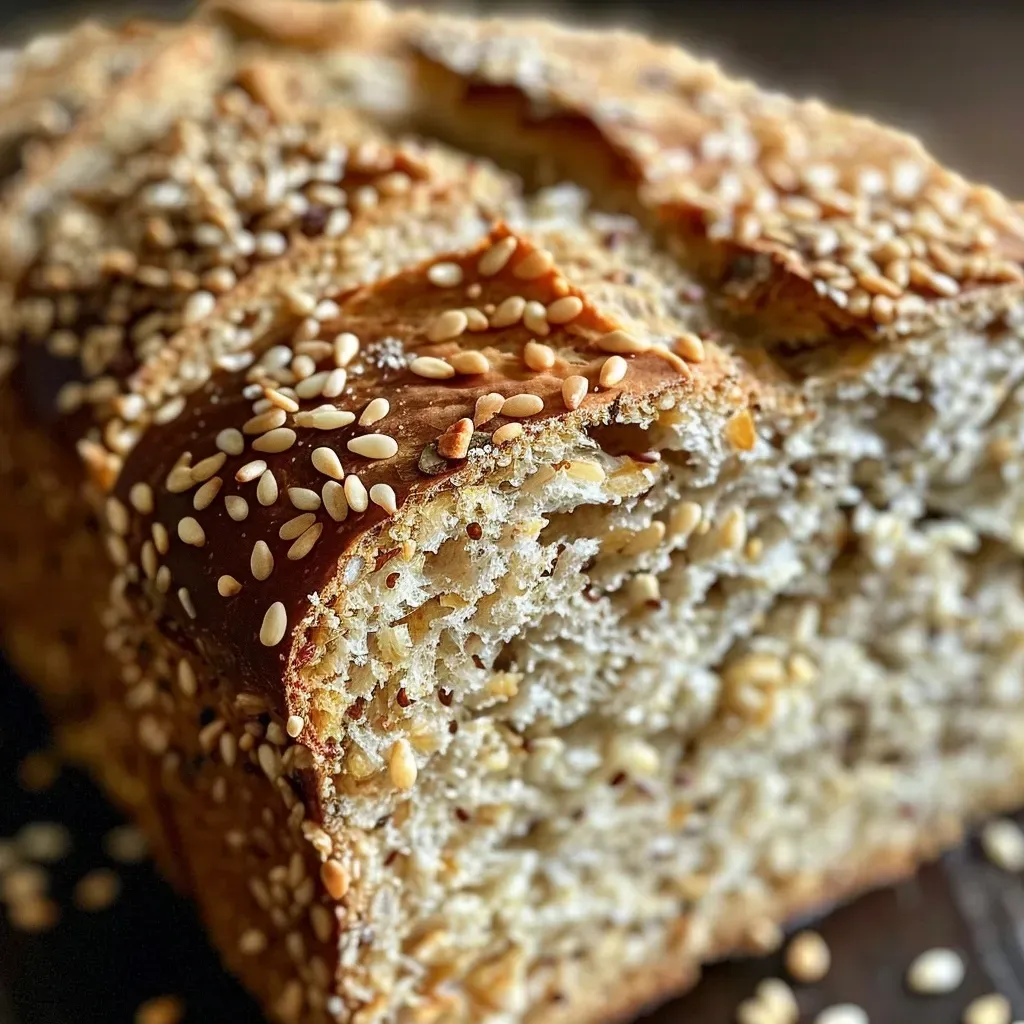
![['Close-up of a rustic multigrain bread loaf displaying a variety of seeds and grains.', 'Side view of a crusty multigrain bread loaf with visible grains and seeds on the crust.', 'Detailed image of a rustic warm multigrain bread showcasing its texture and toppings.', 'A slice of rustic multigrain bread highlighting its seeds and hearty texture.']](https://snacknova.com/wp-content/uploads/2026/06/rustic-multigrain-bread_1_U1-3.webp "Bake Your Way to Happiness with Rustic Multigrain Bread!")
Welcome to the Joy of Baking Rustic Multigrain Bread!
Are you ready to embark on a delightful baking adventure? This Rustic Multigrain Bread recipe is not just any bread; it’s a celebration of wholesome grains and seeds that come together to create a deliciously textured loaf. Whether you’re a seasoned baker or a newbie in the kitchen, this recipe will guide you every step of the way. Perfect for sandwiches, toast, or simply slathered with butter, let’s dive into the world of baking and discover the joy of making your own bread at home!
Why You’ll Love This Recipe
This Rustic Multigrain Bread isn’t just easy to make; it’s packed with flavor and nutrition. Here are some reasons why you’ll fall in love with this recipe:
- Healthy Ingredients: Made with whole grains, seeds, and oats, this bread is a nutritious choice for any meal.
- Beginner-Friendly: With simple instructions and common ingredients, this is a great recipe for those new to baking.
- Versatile Uses: This bread is perfect for sandwiches, toast, or served as a side with soups and salads.
- Customizable: Feel free to experiment with different seeds and grains to suit your taste.
- Delicious Aroma: The smell of baking bread fills your home with warmth and comfort, making the whole experience even more enjoyable!
Ingredient Breakdown
Let’s take a closer look at the ingredients you’ll need to create this mouth-watering Rustic Multigrain Bread:

★ Recommended Kitchen Tool
Professional Chef Knife Set
Make this recipe even easier with a quality Professional Chef Knife Set — a must-have kitchen staple!
- Rolled Oats (33 grams): Adds a lovely texture and nutty flavor. You can substitute with quick oats if needed.
- Sesame Seeds (33 grams): Provides a delightful crunch. Feel free to use sunflower seeds for a different twist!
- Hulled Sesame Seeds (33 grams): These add a unique flavor; however, you can skip them if you prefer.
- Flaxseeds (33 grams): Rich in omega-3 fatty acids; you can use chia seeds as a substitute.
- Quinoa (33 grams): A protein-packed grain that makes this bread even more nutritious. You can omit it if you don’t have any on hand.
- Cold Water (100 grams): Essential for activating the yeast.
- Bread Flour (311 grams): High gluten content is perfect for bread making; all-purpose flour can be used in a pinch.
- Whole Wheat Flour (89 grams): Adds depth and flavor; you can use spelt flour if you prefer.
- Rye Flour (44 grams): Provides a subtle earthy taste; feel free to use more whole wheat flour instead.
- Instant Yeast (3 grams): Quick-acting yeast that helps the dough rise.
- Liquid Levain (89 grams): This starter adds flavor complexity; store-bought sourdough starter can be used as an alternative.
- Room Temperature Water (311 grams): Helps bring the dough together.
- Salt (10 grams): Essential for flavor and controlling the fermentation process.
Step-by-Step Instructions

Now that we have our ingredients ready, let’s jump into the preparation of our Rustic Multigrain Bread:
- Combine the **soaker ingredients** (oats, sesame seeds, hulled sesame seeds, flaxseeds, and quinoa) in a medium bowl and let sit for **one hour**. This step enhances the texture and flavor of the bread.
- In the bowl of a stand mixer, whisk together the **bread flour, whole wheat flour, rye flour**, and **instant yeast**. Add the **liquid levain** and **water**, mixing on low for **three minutes**.
- Add the **salt** and mix on low for **20 minutes**, allowing the dough to develop strength.
- Incorporate the **seed mixture** into the dough, mixing for another **minute or two** until evenly distributed.
- Turn the dough out onto a floured work surface and **fold it over itself** a few times. Place it into an oiled bowl, cover with plastic wrap, and let rise for **one hour**.
- Sprinkle your work surface with flour, turn the dough out, and divide it in half. Shape each piece into an oval, seam side down, and let rest for **15 minutes**.
- Reshape the dough into tighter batards and place them seam side down between the folds of a floured couche. Cover with plastic wrap or floured tea towels and let rise for another **hour**.
- Preheat your oven to **460 degrees F**. Place a baking stone on the middle rack and a pan on the lowest rack to create steam.
- Prepare a piece of parchment paper on a pizza peel or the back of a baking sheet.
- Flip the loaves onto the parchment paper, seam side up, and score down the center with a sharp knife or lame.
- Slide the bread onto the baking stone, adding 2 cups of ice to the steam pan to create a crispy crust. Close the oven door immediately.
- Bake for **25 to 30 minutes**, until the internal temperature of the bread reaches **200 to 205 degrees F**.
- Once done, cool on a wire rack to set the crust and crumb.
Pro Tips for Perfect Multigrain Bread
Here are some expert insights to elevate your baking game:
- Use a Kitchen Scale: For precise measurements, especially important for baking. This ensures consistent results every time.
- Monitor Dough Temperature: Aim for a dough temperature of around **75-80°F** for optimal fermentation.
- Autolyse Method: Consider letting the flour and water rest for 30 minutes before adding other ingredients. This enhances gluten development.
- Don’t Skip the Steam: Creating steam in the oven is crucial. It helps achieve a beautiful crust on your bread.
- Adjust Hydration: Depending on your flour, you may need to adjust the water content. The dough should be slightly tacky but not overly sticky.
- Experiment with Seeds: Feel free to mix in your favorite seeds or nuts for added flavor and texture.
- Use Fresh Ingredients: Ensure your yeast and flour are fresh for the best rise and flavor.
- Practice Patience: Allow the dough to rise fully for the best results; don’t rush the fermentation process.
Common Mistakes and Troubleshooting
Even the best bakers make mistakes! Here’s how to troubleshoot common issues:
- Dough Not Rising: Check the freshness of your yeast; if it’s expired, the dough won’t rise.
- Dense Bread: This can happen if the dough was over-kneaded or not allowed to rise enough. Make sure to follow the timings closely.
- Hard Crust: Too much steam or an overly hot oven can lead to a hard crust. Adjust your baking technique accordingly.
- Underbaked Center: Ensure your oven is calibrated; if the internal temperature isn’t reached, the bread will remain doughy.
Delicious Variations
Want to shake things up? Here are some variations to try:
- Herb-Infused: Add dried herbs like rosemary or thyme to the dough for an aromatic twist.
- Cheesy Delight: Mix in shredded cheese for a savory flavor boost.
- Dried Fruits: Incorporate dried fruits like cranberries or apricots for a sweet and tangy flavor.
- Nuts Galore: Throw in chopped nuts like walnuts or pecans for an extra crunch.
Storage and Make-Ahead Instructions
Here’s how to keep your Rustic Multigrain Bread fresh:
- Room Temperature: Store in a paper bag or wrapped in a clean kitchen towel for up to **3 days**.
- Freezing: Slice the bread and wrap in plastic wrap, then place in a freezer bag for up to **3 months**. Thaw at room temperature.
- Make Ahead: You can prepare the dough in advance and refrigerate it for up to **24 hours** before shaping and baking.
Comprehensive FAQ
Got questions? Here are some common queries answered!
- Can I use all-purpose flour instead of bread flour? Yes! Just keep in mind that the texture may vary slightly.
- What can I substitute for liquid levain? Store-bought sourdough starter works well in place of liquid levain.
- How do I know when the bread is done baking? Use a thermometer; the bread should reach an internal temperature of **200-205°F**.
- Is this bread suitable for freezing? Absolutely! It freezes well; just make sure to wrap it properly.
- Can I add more seeds? Yes, feel free to experiment with different seeds to suit your taste!
- Does this bread contain gluten? Yes, as it is made with wheat flour. For a gluten-free version, use gluten-free flour blends.
- How can I enhance the flavor of my bread? Consider adding additional spices or using a longer fermentation time for deeper flavor.
- Can I make this bread dairy-free? Yes, this recipe is naturally dairy-free, just ensure any optional ingredients are also dairy-free.
Nutritional Tips and Dietary Adaptations
This Rustic Multigrain Bread is not only delicious but also nutritious! Here are some tips:
- Balanced Diet: Incorporating whole grains into your diet can aid in digestion and provide essential nutrients.
- High in Fiber: The seeds and whole grains contribute to higher fiber content, promoting satiety.
- Vegan Option: This recipe is naturally vegan; enjoy it without any animal products.
Equipment Recommendations
To make your baking experience smoother, here’s a quick list of recommended equipment:
- Stand Mixer: A great tool for mixing and kneading the dough efficiently.
- Baking Stone: Perfect for achieving a crispy crust.
- Parchment Paper: Essential for easy transfer of bread to the oven.
- Kitchen Scale: For accurate measurements, ensuring consistent results.
- Thermometer: To check the internal temperature of the bread for perfect doneness.
Serving Suggestions
Now that your Rustic Multigrain Bread is baked to perfection, here are some serving ideas to enjoy:
- Classic Toast: Top with butter and your favorite jam for a sweet breakfast treat.
- Sandwich Delight: Use it for hearty sandwiches filled with your favorite meats, cheeses, and veggies.
- Soup Companion: Serve alongside a warm bowl of soup for a comforting meal.
- Bruschetta Style: Toast slices and top with tomatoes and basil for a fresh appetizer.
Conclusion
Baking your own Rustic Multigrain Bread brings a sense of accomplishment and joy that store-bought bread just can’t match. By following this recipe, you’re not only nourishing your body with wholesome ingredients but also creating something beautiful and delicious. So roll up your sleeves, gather your ingredients, and let’s bake our way to happiness together! Happy baking!

Rustic Multigrain Bread
Ingredients
Soaker
- 100 grams cold water
Flour mixture
- 311 grams bread flour
- 89 grams whole wheat flour
- 44 grams rye flour
- 3 grams instant yeast
- 89 grams liquid levain
- 311 grams room temperature water
- 10 grams salt
Seeds
- 33 grams rolled oats
- 33 grams sesame seeds
- 33 grams hulled sesame seeds
- 33 grams flaxseeds
- 33 grams quinoa
Instructions
-
Combine the soaker ingredients and let sit for one hour.
-
Mix flours and yeast, add levain and water, then knead for 3 minutes. Add salt and knead for 20 minutes.
-
Add seeds to dough and mix evenly.
-
Shape dough into loaves, let rise for one hour, then score and bake at 460°F for 25-30 minutes.

![['Close-up view of chewy cinnamon granola bars with visible oats and nuts.', 'Side view of homemade granola bars showcasing their chewy texture and ingredients.', 'Delicious granola bars with a sprinkle of cinnamon and chunks of dried fruit.', 'Tasty granola bars featuring oats, pecans, and cranberries arranged on a plate.']](https://snacknova.com/wp-content/uploads/2026/06/u6426281249_close_up_photo_side_view_from_reddit._taken_with__26d2ecda-486c-436a-be7a-172b963bebbf_0-150x150.webp)
![['Close-up view of a Flank Steak Bowl featuring sliced steak and colorful toppings.', 'Side view of a delicious Flank Steak Bowl with vibrant ingredients like avocado and tomatoes.', 'Juicy Flank Steak Bowl showcasing ingredients arranged in a bowl, including rice and beans.', 'Detailed shot of a Flank Steak Bowl filled with flank steak, corn, and fresh cilantro.']](https://snacknova.com/wp-content/uploads/2026/06/flank-steak-bowl_1_U1-150x150.webp)